


That was the context for attending the recent North East Ambulance Service (NEAS) showcase of a new fleet of battery electric vehicles (BEVs) at the NEAS Driver Training Centre in Gateshead. The event brough together attendees from procurement, NHS England, NEAS paramedics, Fleet Managers and suppliers.
We were able to see first-hand the vehicles used for responding to different types of patient needs, from front line ambulances to non-emergency patient transport vehicles.
On display were:
- Skoda Enyaq Rapid Response Vehicle (RRV)
- Renault E‑Master ambulance
- Renault E‑Master Patient Transport Service (PTS) vehicle
- Ford E‑Transit ambulance
The Ford ambulance was purchased and converted through the national contracts put in place by the Hub: the Double Crewed Ambulance Base Vehicle mini framework and the Double Crewed Ambulance Conversions mini framework. Working in procurement, you do not often get to see the goods and services you purchase. Having the opportunity to see one of our vehicles in real life and speak with paramedics who use the vehicles to respond to calls and treat patients was powerful and informative.
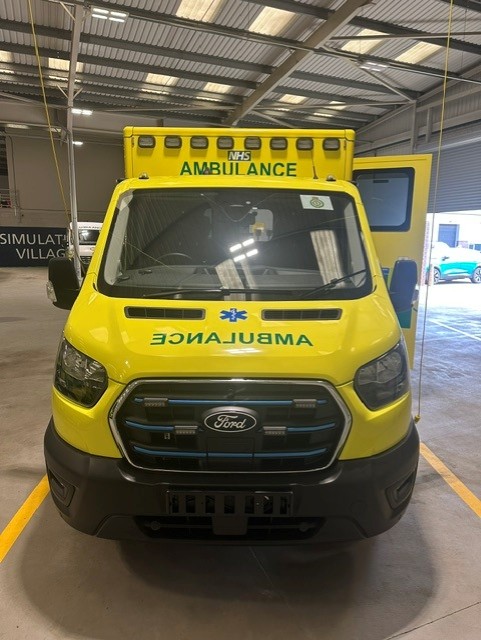
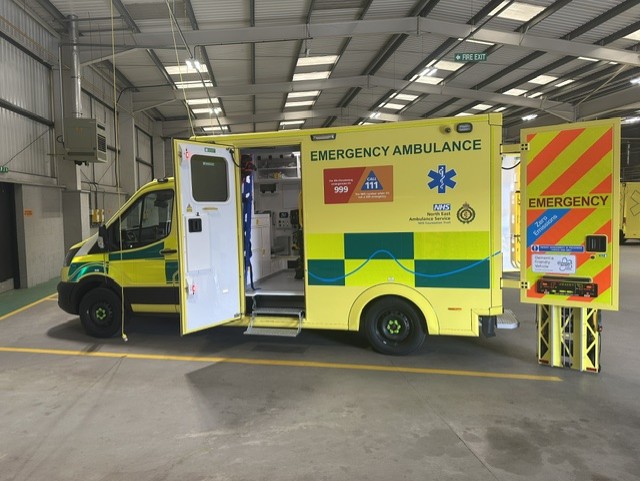
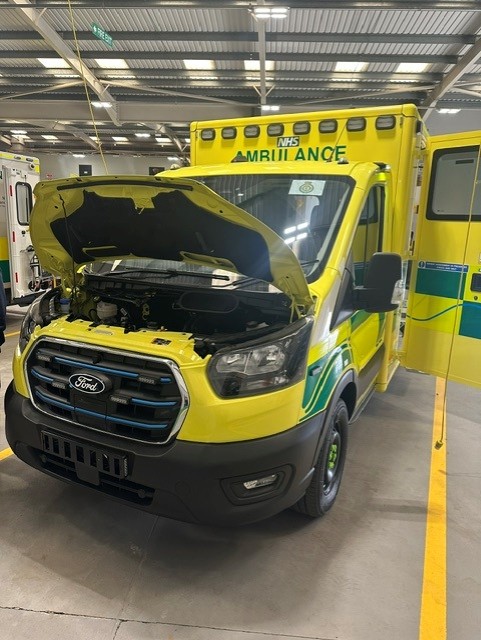
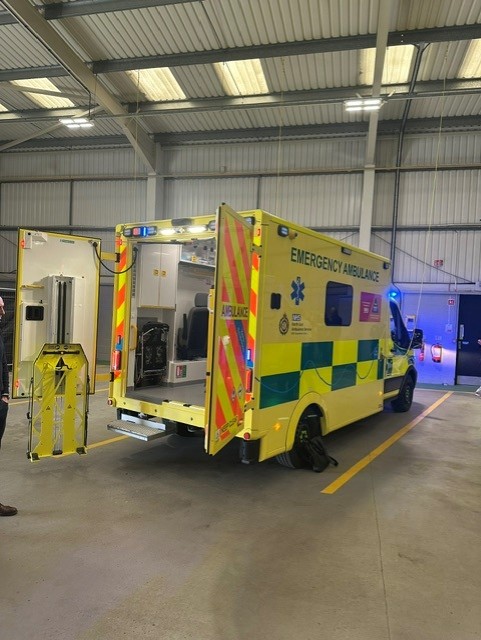
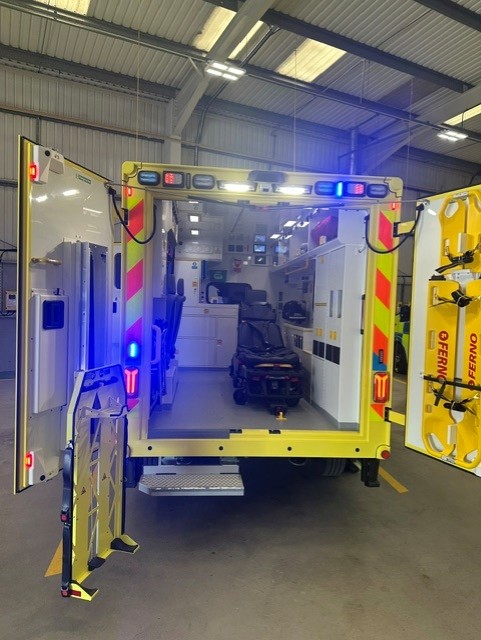
The vehicles will help NEAS contribute to the NHS Net Zero Travel and Transport Strategy by reducing emissions while maintaining safe and effective patient care. Kevin Scollay, Chief Executive of NEAS, emphasised on the day that transitioning to electric vehicles is central to delivering a more sustainable ambulance service. Some of the benefits of EVs are:
- Reduced carbon emissions
- Improved air quality for patients and communities
- Quieter, smoother vehicles for staff
- Enhanced patient and staff experience, including features like self‑loading stretchers that reduce musculoskeletal injuries
Dave Parkin, Fleet Operations Manager at NEAS, reported clear operational advantages from EV adoption, including:
- Lower whole‑life running costs
- Reduced vehicle downtime
- Quicker servicing and improved reliability
These improvements support more efficient fleet use and better response performance.
Paul Leach, Head of Ambulance Fleet at NHS England, praised NEAS’s progress and noted that local innovation is helping shape national strategy. He highlighted benefits such as:
- Cleaner air for patients
- Quieter, smoother vehicles for staff
- Strong alignment with the NHS ambition for a fully zero‑emission ambulance fleet
The showcase demonstrated how electric technology is becoming a practical, operationally viable part of frontline ambulance services. A recurring message was the importance of working closely with manufacturers, conversion specialists and NHS partners. There was space for open discussion, shared learning and honest conversations about challenges such as charging infrastructure and operational integration.
Attending the event made me appreciate the scale of change underway – and the ambition behind it. The Hub continues to work with the Head of Ambulance Fleet at NHS England and with trusts to shape how BEVs should be procured. This approach supports NHS net zero targets through the use of non-combustion engines. This isn’t just about swapping diesel for electric, but also about rethinking how ambulance services operate, how staff are supported and how the NHS can lead by example on sustainability.
Next steps
If you want to explore how our frameworks support BEV procurement, the Hub is happy to have a conversation with you.
Email [email protected] to start the conversation.
Related content:
24 Hours with the London Ambulance Service and the Ford E-Transit
Ambulance service showcases EVs to support patient care and cleaner air – Emergency Services Times
By Gemma Burke, Procurement Specialist