
HCSA South 2026, held on 2 July, brought Hub delegates together with roughly 300 attendees from across the sector for a day built around one central idea: procurement works better when organisations solve problems together rather than apart.
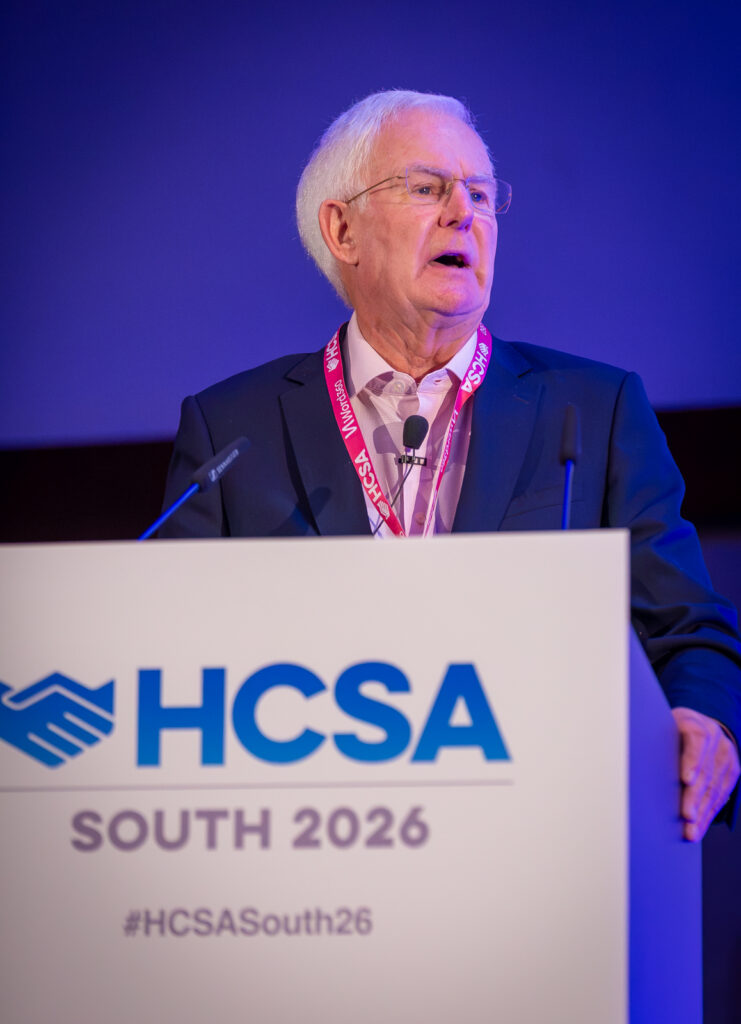
Our Managing Director, Howard Rolfe, opened and closed the day. In his welcome address, he used the metaphor of a wheel and a jigsaw to describe how organisations across the system depend on and interlock with one another – no single trust or hub moving forward entirely on its own. His point was a practical one: when collaboration happens consistently rather than occasionally, it frees up time and creates the kind of consistency that relentless targets and day-to-day pressures otherwise make difficult to reach.
Howard Rolfe talks about collaboration during his welcome address at HCSA South 2026
This theme of collaboration played out through the sessions that followed. One of the standout examples was the South Yorkshire, Huddersfield and Leeds joint Managed Pathology Services project – a £500 million programme that showed what is possible when high-risk, high-value procurement is delivered as a genuine multi-trust effort rather than a series of separate exercises. It was a strong reminder of the scale of impact collaborative procurement can have when it is done well.
A session from Essity stood out for a different reason: a supplier conversation that felt genuinely rooted in patient outcomes, not just commercial positioning – a distinction that resonated with the room.
Conversations on the day, including with colleagues from NHS Berkshire and South Herts, kept returning to a familiar challenge: convincing senior management that procurement deserves to be treated as a strategic priority, not an operational afterthought. It is a pressure many teams recognise, and it is exactly why the collaborative model matters – shared projects create shared evidence of impact, which is often more persuasive than any single business case.
One area that emerged as a genuine opportunity for our region was Scan4Safety, particularly around community assets and sterile tray scanning. It is the kind of initiative that plays to the strength of multi-trust collaboration, and one we will be watching closely.
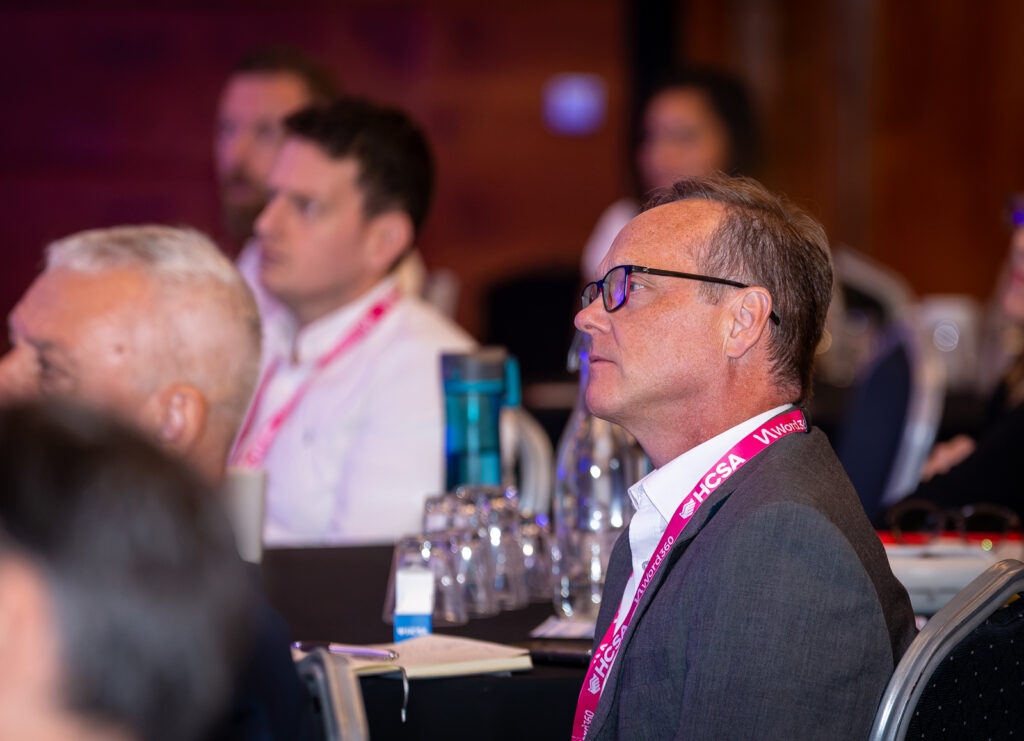
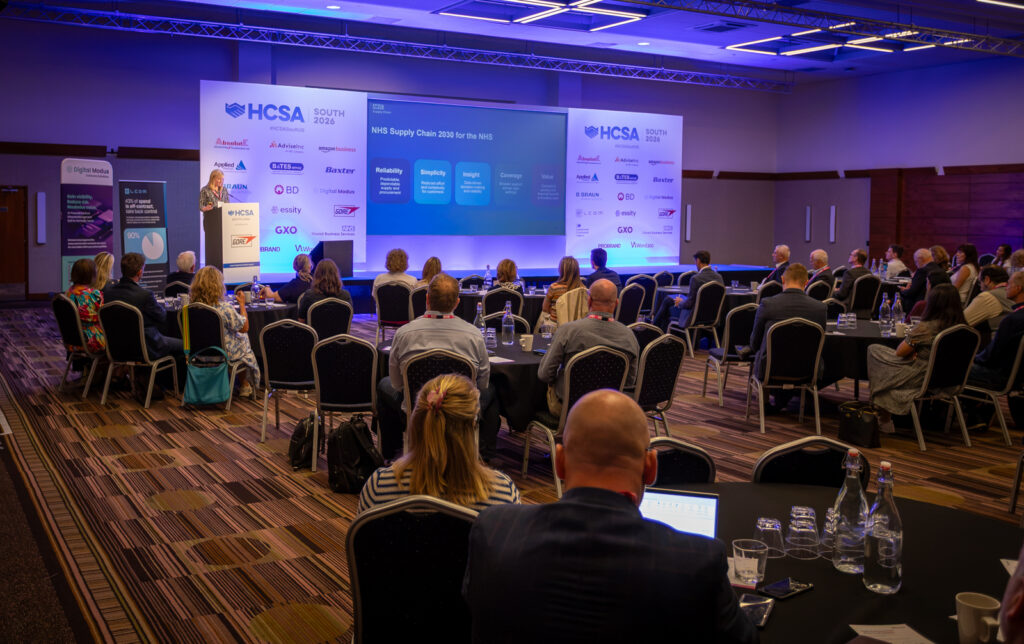
The mood throughout the day was positive, friendly and professional – a reflection, perhaps, of a sector that increasingly recognises that the answers to shared pressures often sit in the room next door, not in isolation.
This is where the Hub’s role comes in. Through our frameworks, membership and bespoke procurement support, we exist to make that kind of collaboration easier to deliver – helping trusts pool resource, share risk and move faster on the projects that matter, without each organisation having to build the case alone. The more multi-trust projects we can support, the stronger the evidence base becomes for procurement’s place at the strategic table.
If your team is exploring how collaborative procurement could support a project like this, or facing the same challenge of making the strategic case for procurement internally, we would welcome the conversation – get in touch to explore how the Hub can help: [email protected]
By Mark Kevlin, Procurement Specialist