

A double-crewed ambulance (DCA) depends on manufacturers, converters, equipment suppliers, regulators, NHS England and the fleet engineers who keep vehicles operational. Yet these groups have rarely had the opportunity to come together in one place.
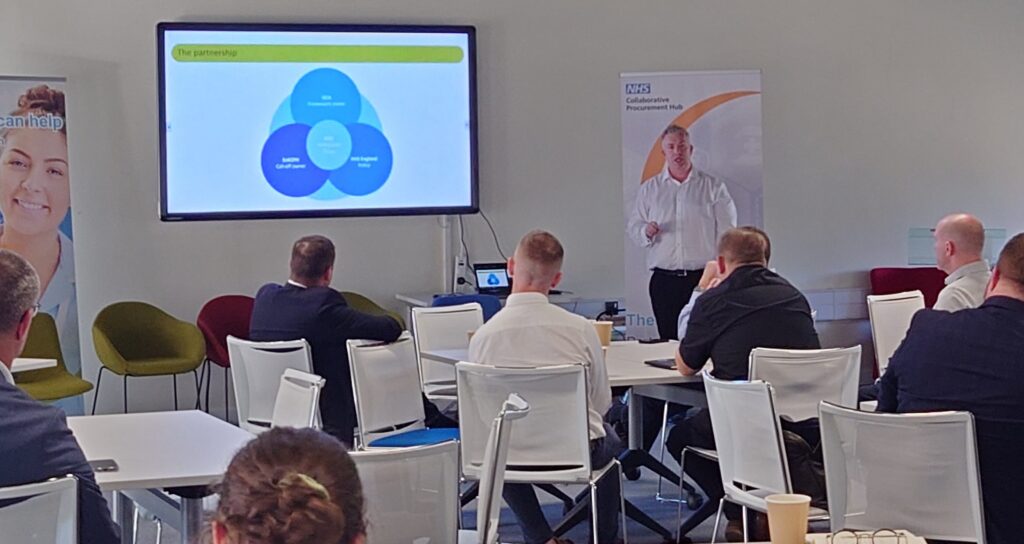
On 21 September 2026, the East of England NHS Collaborative Procurement Hub (the Hub) hosted the inaugural NHS National Double-Crewed Ambulance Symposium, changing that. Bringing together more than 30 stakeholders from 21 organisations, the event united ambulance trusts, NHS England, the National Ambulance Radio Programme, the Government Commercial Agency (GCA), BlueLight Commercial, the Vehicle Certification Agency, vehicle manufacturers, converters and specialist suppliers to focus on one shared priority: the future of the national DCA specifications. The event also provided BlueLight Commercial with an opportunity to consider how the NHS approach could be adopted within policing.
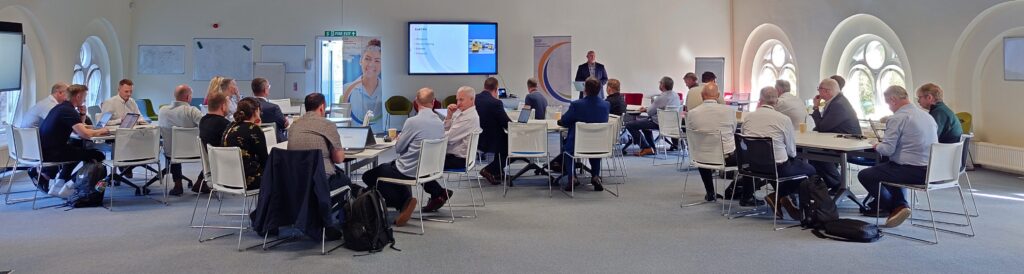
The symposium was only possible because every ambulance trust in England is a member of the Hub. No other organisation maintains relationships across all ambulance trusts, NHS England and the supplier market, placing the Hub in a unique position to facilitate national conversations that shape the future of frontline ambulances.
Historically, we haven’t really engaged fully with the marketplace. We may do lots of engagement with converters but forget the base vehicle suppliers. The symposium is bringing all the stakeholders together, including the trusts, into one arena where we can have those conversations.
Martin Taylor MCIPS, Assistant Director of Procurement – Ambulance at the Hub
A shared challenge
The agenda reflected the breadth of organisations involved in delivering modern ambulance fleets.
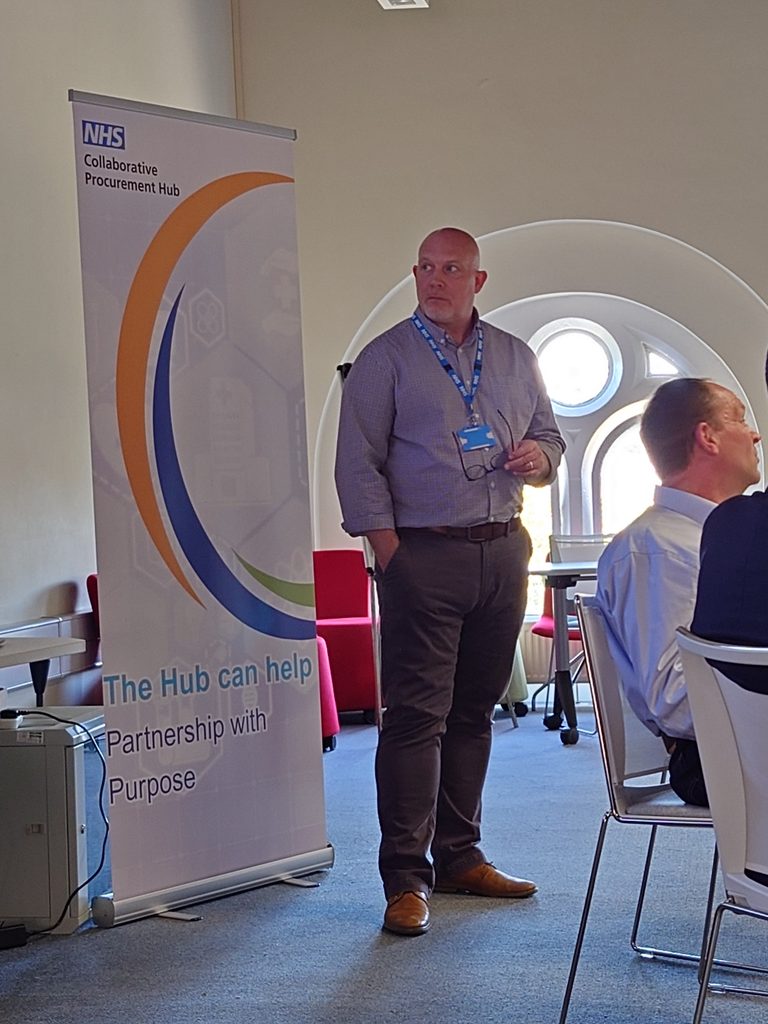
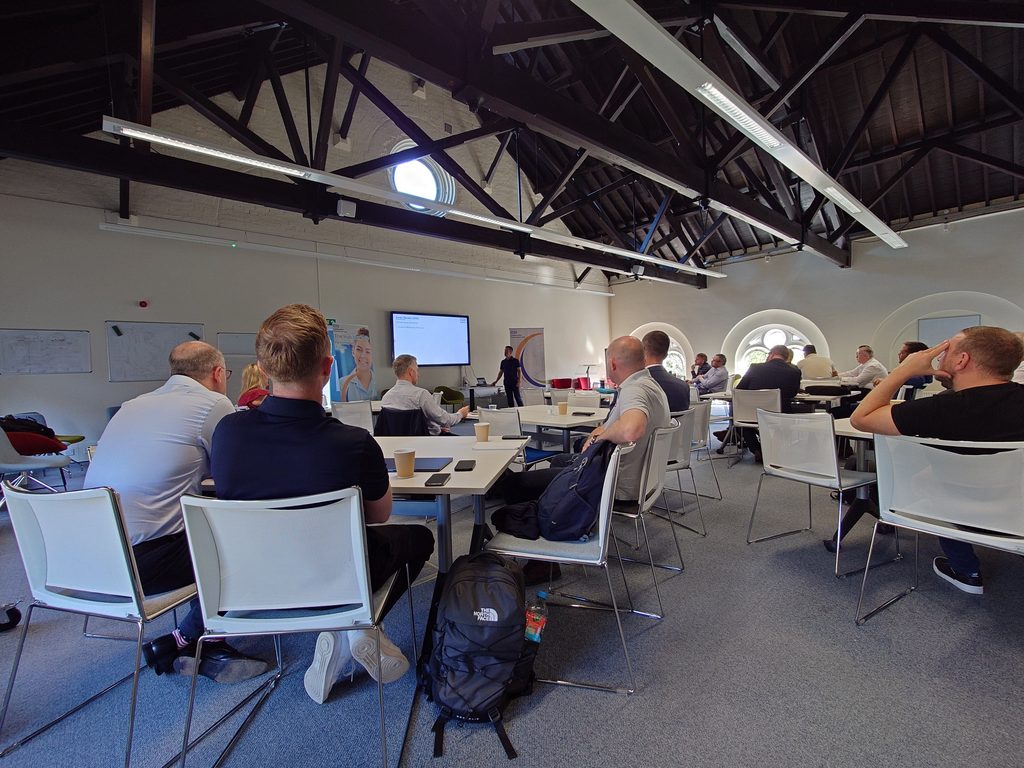
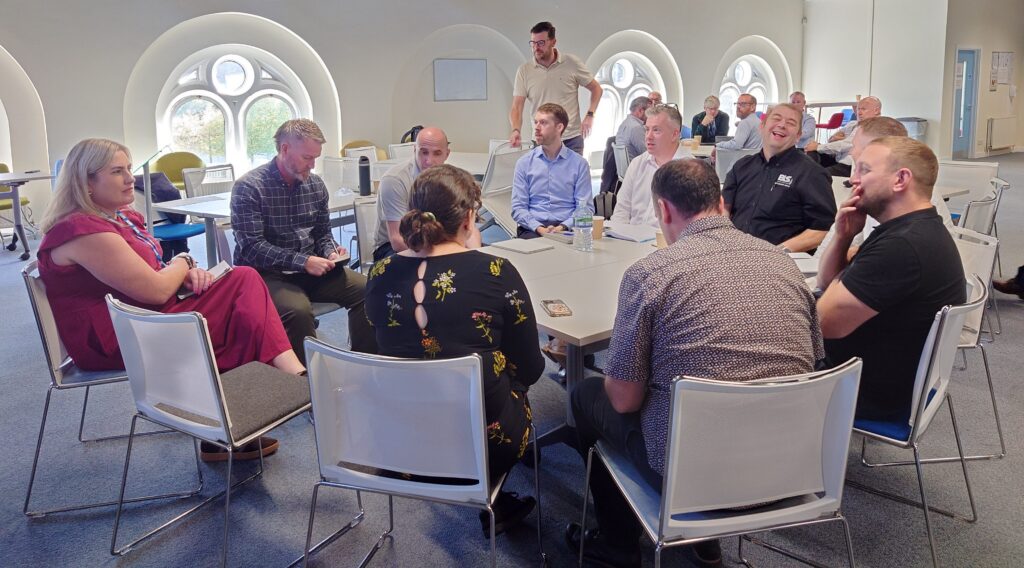
Martin Taylor MCIPS, Assistant Director of Procurement – Ambulance at the Hub, opened the day. Paul Chandler, Deputy Director (Transport), NHS England, followed with a discussion on the development of the national DCA specifications. The breakout session that followed gave people from across the ambulance sector and supply chain space to move beyond their individual perspectives and tackle shared challenges together. Bringing those voices into one conversation helped uncover issues that may otherwise have been missed, build a stronger understanding of different operational pressures and identify where greater flexibility could support the future delivery of double-crewed ambulances.
This has been […] a really efficient way to harness the views of the key players in the manufacture, the conversion and the commissioning. That will inform our approach and the content of the next national specification that we’re developing.
Paul Chandler, Deputy Director (Transport), NHS England
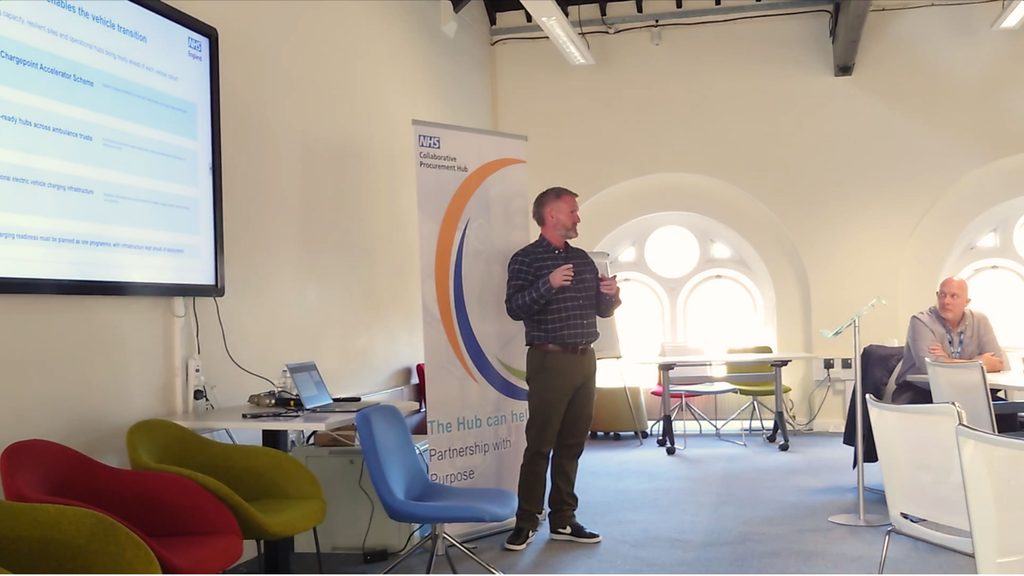
Delegates then explored shared challenges in a cross-sector breakout session before hearing from the Ambulance Radio Programme on vehicle integration. Gemma Burke and Martin Taylor from the Hub then led a cross-sector panel discussion. Next, Paul Leach, Deputy Director (Ambulance), NHS England, discussed the Net Zero Travel and Transport Strategy. Fleet manager Lemuel Freezer, Director of Fleet and OSS at South Central Ambulance Service NHS Foundation Trust, shared an operational perspective. David Pyle, Commercial Lead (Fleet), Government Commercial Agency (GCA), followed with a presentation on the partnership between GCA and the Hub.
Speaking from an operational perspective, Lemuel Freezer argued that ambulance services do not simply buy vehicles: they buy availability. Using the example of a failed ambulance on a wet February night, he explained that design, specification and procurement decisions shape reliability long before a vehicle reaches the road.
He highlighted the importance of collaboration between manufacturers, converters, suppliers and ambulance trusts, particularly as services face increasing demand, advancing technologies and sustainability requirements. He also called for greater sharing of fault data, clearer accountability when defects arise, stronger support for engineering and training and increased standardisation to improve crew safety, reduce variation and strengthen mutual aid arrangements between trusts.
His message was clear: ambulance services and suppliers must work in partnership to maximise vehicle availability and ensure crews can continue delivering care when patients need it most.
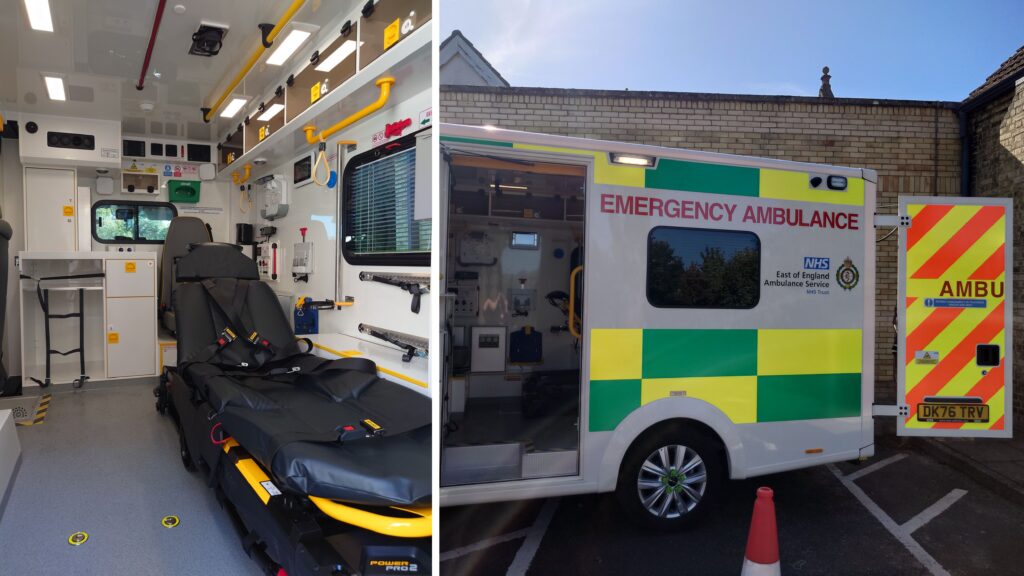
Suppliers echoed this theme throughout the day. Manufacturers discussed how rapidly evolving vehicle technologies can support clinical care when developed around operational requirements. Converters highlighted the value of combining engineering expertise with insights from ambulance trusts and national frameworks, while new market entrants shared fresh perspectives on future vehicles.
Despite operating within a competitive market, attendees agreed that earlier engagement between trusts, manufacturers and converters is essential to developing effective ambulance solutions before procurement processes begin.
What attendees took away
By the end of the symposium, a common theme had emerged: the value of bringing different parts of the ambulance sector together to discuss challenges openly and explore opportunities for collaboration.
Reflecting on the day, Gemma Burke said:
I think it was a really positive day. There were lots of conversations, lots of people networked and people were open and happy to speak out and raise what their difficulties were. At the end, we asked for feedback and the overwhelming response was to have another one of these events.
Lemuel Freezer said he could not recall another meeting attended by procurement teams, manufacturers, bodybuilders, suppliers, communications professionals and fleet leads at the same time.
“I think it was the most unified everyone has been that I’ve certainly seen in the time that I’ve been here,” he said.
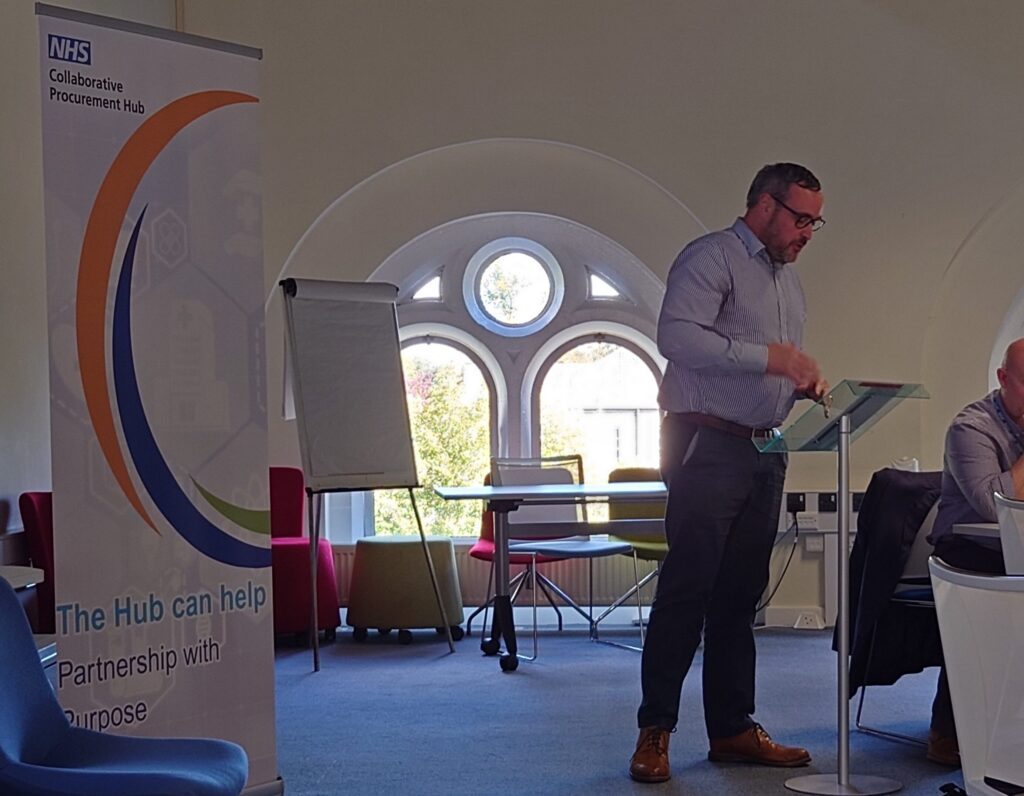
For NHS England, the event provided valuable insight to support future specification development. Paul Chandler, Deputy Director for Transport, described the symposium as “a really efficient way to harness the views of the key players in the manufacture, the conversion and the commissioning”, adding that it would help inform the next national specification.
Stephen Dubery, Head of Procurement and Logistics at East of England Ambulance Service, welcomed the opportunity to have vehicle manufacturers, converters and fleet managers together in one room. James Griffiths of Ford described the event as “very insightful”, while Andy Brown of BlueLight Commercial called it “informative, useful and a real opportunity to do things better across all emergency services”.
David Pyle of the GCA highlighted the common goal shared across the room and described the symposium as the beginning of ongoing collaboration. Martin Taylor noted that new supplier relationships had already started to develop, with organisations that had never previously met beginning discussions during the event itself.
The role of the Hub
As Martin Taylor explained, DCAs are the workhorses of ambulance fleets and make up the majority of vehicles. They therefore represent one of the biggest operational purchases an ambulance trust will make.
Delivering successful ambulance fleets requires coordination across a complex network of organisations, each with different responsibilities, priorities and constraints. Without a mechanism for collaboration, discussions become fragmented and variation increases.
This is where the Hub plays a critical role.
As the only organisation with relationships spanning every ambulance trust, NHS England and the supplier market, the Hub brings together stakeholders who might otherwise never share the same conversation.
“I think it shows what the Hub has done for the relationships across the board,” said Gemma Burke.
Practical delivery supports that convening role.
The Hub manages the national DCA framework, supported the second national DCA procurement with NHS England and has worked with the GCA since 2022 to develop bespoke call-off contracts for ambulance trusts. Stephen Dubery described the result as “a very simple and effective route to market that actually gives us the vehicles that we want to buy”, whether box, van or electric.
The national specification has also delivered significant efficiencies. NHS England estimates it will save £56 million over a seven-year replacement cycle, with savings reinvested into frontline services. According to Lemuel Freezer, around 90% of the vehicle is now broadly aligned across the UK.
For suppliers, the Hub simplifies engagement with the ambulance sector.
“The Hub is a central point that we can contact,” said Mike Roberts of Stellantis UK. “It simplifies the whole process.”
NHS England described the Hub’s procurement team as “really, really vital strategic partners” in supporting the future transition of ambulance fleets.
Let’s have a really open and honest discussion about what it is the NHS is asking for and whether that’s realistic. Can that be delivered? Hopefully this becomes the first of many conversations that we have together. Let’s use this as our starting point.
Paul Leach, Deputy Director (Ambulance), NHS England
Looking ahead
The symposium is intended to become a regular feature of the ambulance sector calendar.
The positive response to the symposium also created momentum for future events, with feedback showing a clear appetite to bring the sector together again and continue the conversation. Martin Taylor hopes the event will continue for many years and become a recognised forum for collaboration across the ambulance market. The ambulance team’s ambition is to hold events twice a year with different areas of focus.
The discussions and feedback gathered on the day are already informing future work.
NHS England and fleet colleagues will use the insights gathered to support development of the next national DCA specification, building on the 2024 version.
The Hub’s ambulance team is also developing procurement route options for future DCA requirements, drawing on feedback from the symposium to help shape the next stages of framework development.
Meanwhile, the GCA’s new RM6382 Purchase of Standard and Specialist Vehicles agreement will introduce dedicated lots for ambulance base vehicles and conversions. These will support future collaboration between the GCA, the Hub, NHS England and ambulance trusts.
The sector is also preparing for the transition to zero-emission vehicles. NHS England’s current planning assumption is that all new ambulances will be zero emission from 2030, supported by £175 million of investment in make-ready charging infrastructure. Electric DCAs are already operating across the NHS, with additional prototype builds continuing to expand learning across different vehicle platforms.
The symposium created new relationships, opened new conversations and established a stronger shared understanding of the challenges ahead.
As David Pyle concluded, the next step is “building upon the introductions that have been made today and keeping that communication open”.
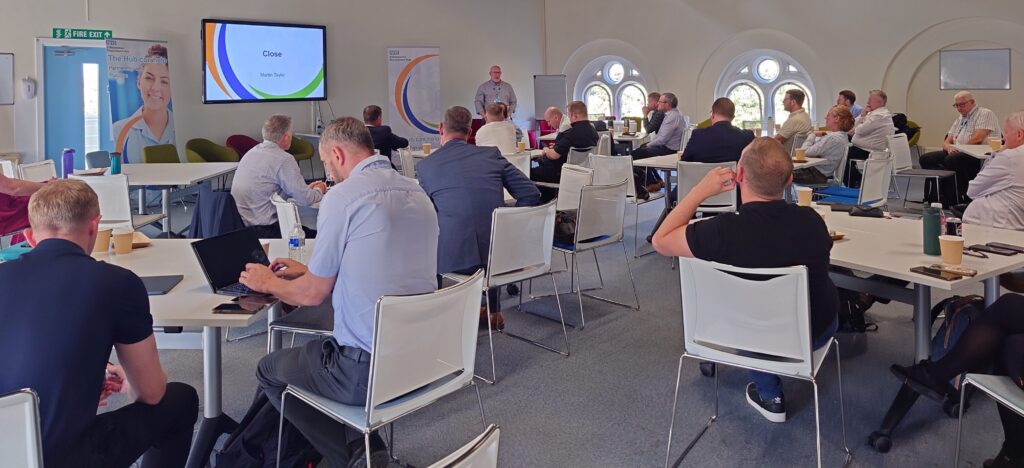
The first National Double-Crewed Ambulance Symposium demonstrated the value of bringing colleagues from across the ambulance sector together to share challenges, perspectives and ideas.
Following the positive feedback received, the Hub is looking ahead to hosting the next symposium in the spring of 2027, providing another opportunity to continue these conversations and strengthen collaboration across the sector.